ldraw-nova: AI agents build LEGO models by writing Python geometry
In ldraw-nova, models write a plan and a Python generator instead of raw coordinates, but nothing checks physics or stability.
AI agents fail because of repo ambiguity, not model quality. Here is how AGENTS.md and a clear repo layout make your codebase agent-ready.

Stop prompt‑tuning. Start packaging your repo for AI agents.
AI agents fail far more often because of repo ambiguity than model quality.
In 2026, the winning teams aren’t the ones writing longer prompts — they’re the ones shipping agent‑ready repositories.
This article explains what that actually means in practice, without tying you to a single tool or vendor.
If you’ve ever watched an agent:
…you’ve seen the real issue.
Agents don’t “understand” your project the way a human teammate does.
They only see structure, conventions, and explicit rules.
When those are missing, the agent guesses.
And guessing is where things break.
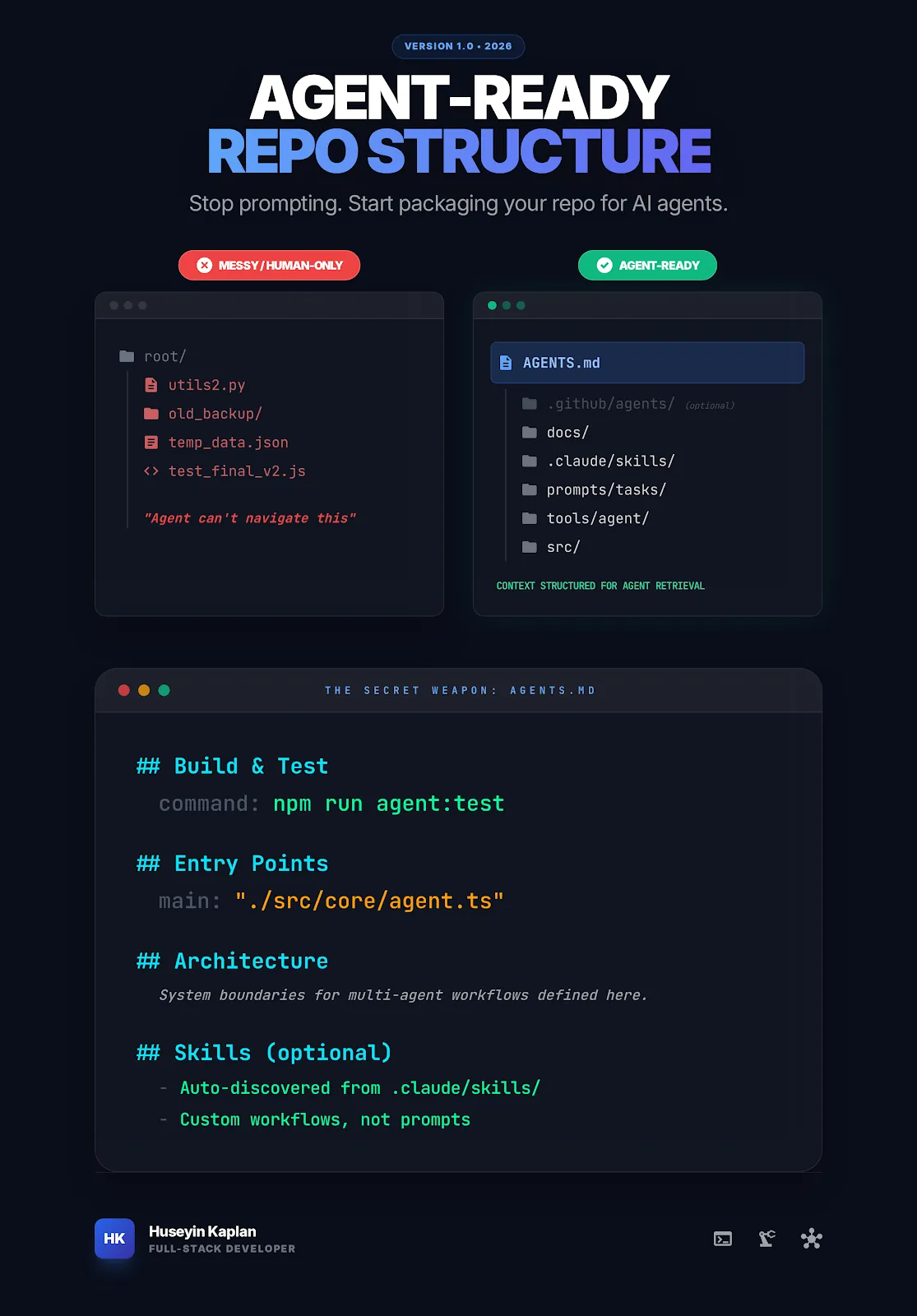
Most teams start here:
Prompt → Model → Hope
What works in practice:
Structure → Prompt → Model
Structure reduces ambiguity.
Prompts become shorter.
Models matter less than you think.
README files are written for humans:
Agents need something else entirely.
They need:
That’s where AGENTS.md comes in.
Think of AGENTS.md as a briefing document, not documentation.
A good AGENTS.md answers only one question:
“If I were a new engineer with no context, how would I safely make a small change?”
# AGENTS.md
## Goal
You help ship small, reviewable changes.
## Canonical commands (don’t guess)
- Install: ./scripts/dev.sh install
- Dev:     ./scripts/dev.sh start
- Test:    ./scripts/test.sh
- Lint:    ./scripts/lint.sh
## Entry points
- Web app: src/entrypoints/web.ts
- Worker:  src/entrypoints/worker.ts
## Boundaries
- Do not change generated files or lockfiles unless asked.
- No infra, migrations, or prod config edits without confirmation.
- Prefer the smallest possible diff.
## Where to look for answers
- Architecture: docs/architecture.md
- Runbook:      docs/runbook.md
- API contract: api/openapi.yaml
That’s it.
No prompt poetry. No role‑playing.
Just clarity.
Here’s a baseline structure that works across tools and ecosystems:
repo/
  AGENTS.md
  README.md
  docs/
    architecture.md
    runbook.md
  scripts/
    dev.sh
    test.sh
    lint.sh
  api/
    openapi.yaml
  src/
    entrypoints/
      web.ts
      worker.ts
  .github/
    workflows/ci.yml
Why this works:
This structure works because it’s tool‑agnostic.
Different ecosystems read it differently:
The key idea stays the same:
Repo‑level instructions beat prompt‑level hacks.
Tool‑specific folders or configs can exist, but they should be optional, not required to understand the project.
As agents move from “chat assistants” to workflow participants, ambiguity becomes expensive.
Teams that invest in structure get:
This isn’t an AI trick.
It’s just good engineering discipline — finally enforced.
If you take only one action after reading this:
Add AGENTS.md to your repo.
You don’t need a perfect structure.
You need a clear one.
That’s what makes a repo agent‑ready.
If this was useful, I’m sharing more real‑world patterns around agentic workflows and repo design.
Follow along or reach out — happy to compare notes.
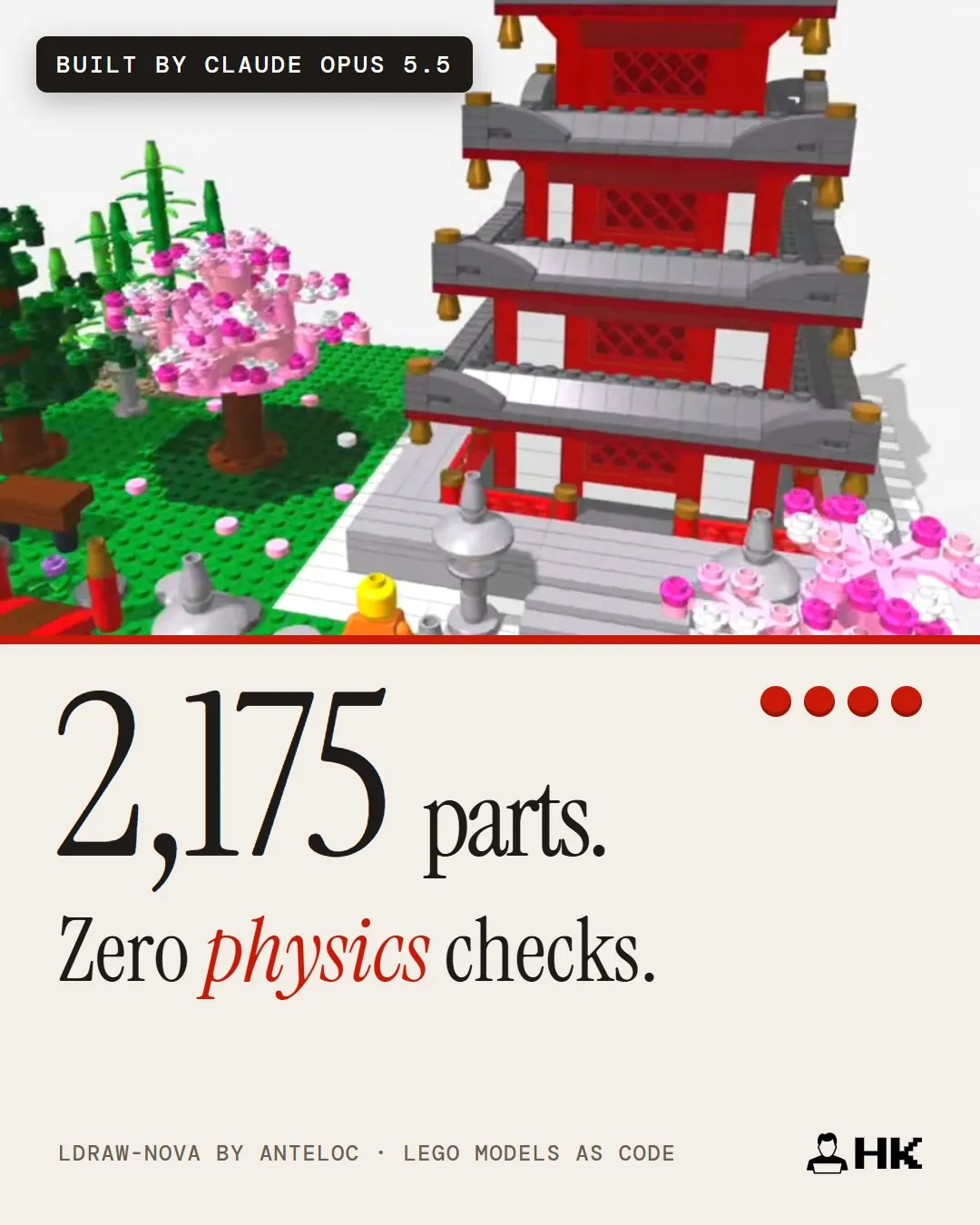
In ldraw-nova, models write a plan and a Python generator instead of raw coordinates, but nothing checks physics or stability.
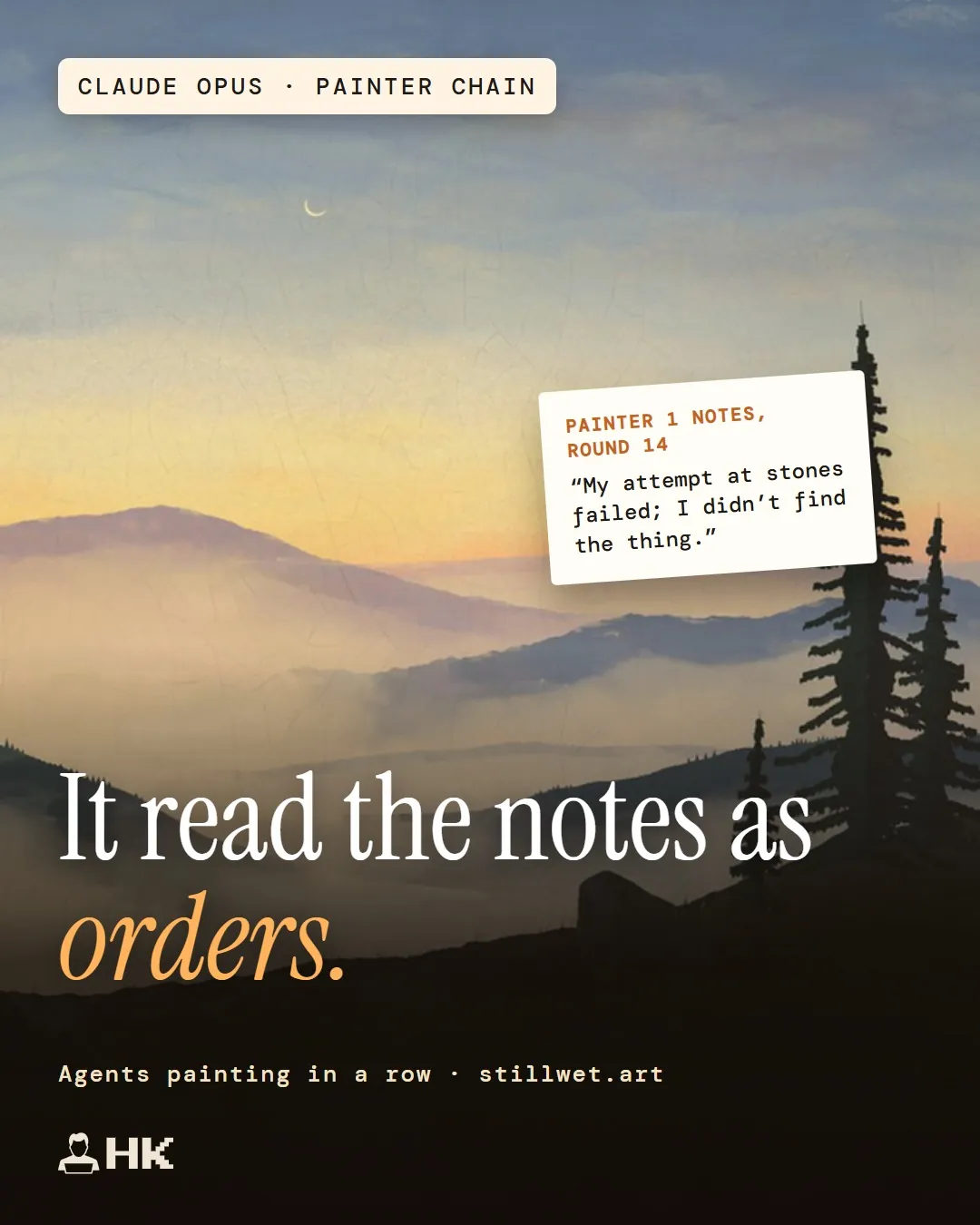
In stillwet's painter chains, Claude read earlier notes as instructions and missing notes failed silently, so label, log and verify agent handoffs.
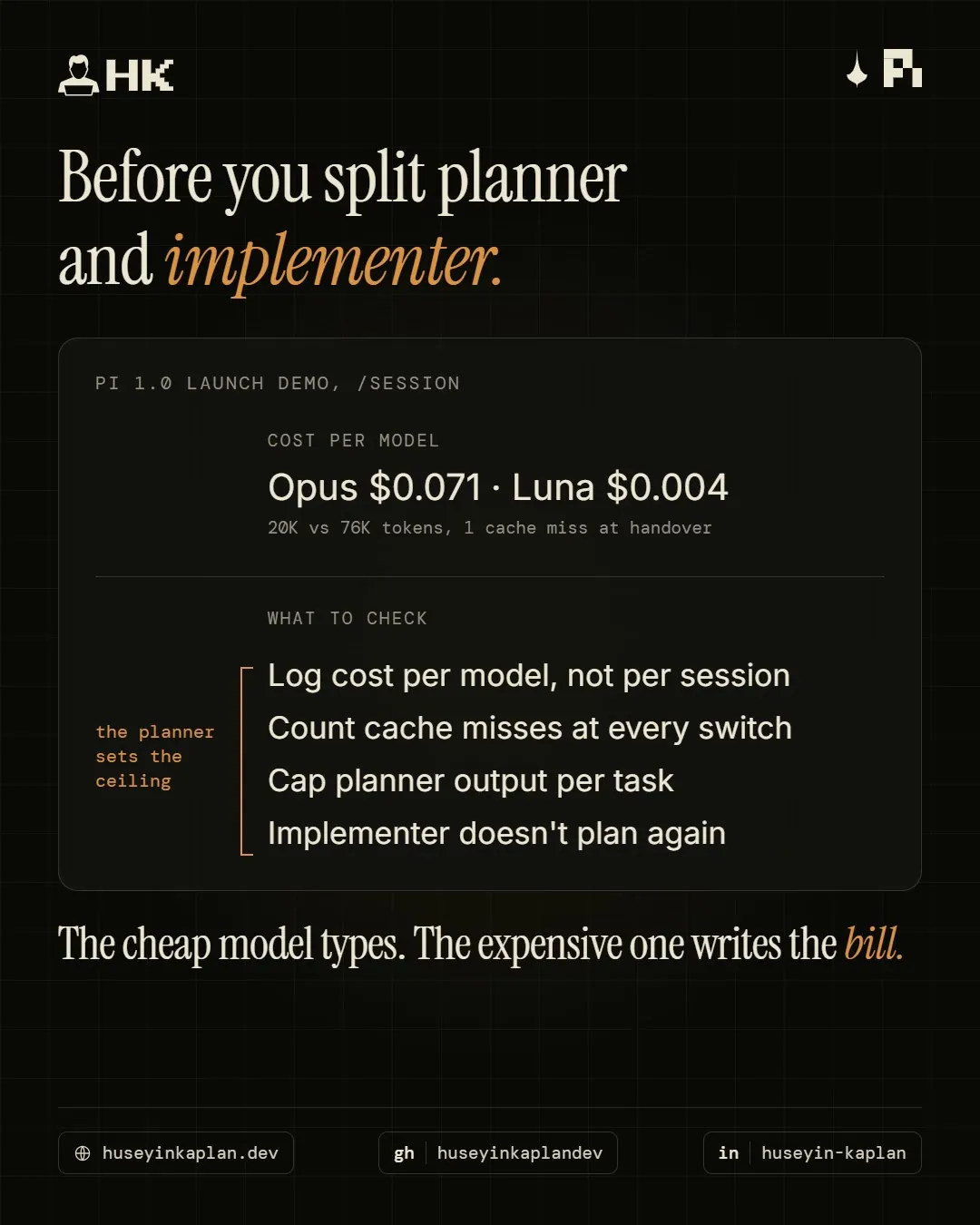
In Pi 1.0's demo, Opus used a fifth of the tokens yet cost 18x more than GPT 6 Luna, so log cost per model and count cache misses.